


Candle Making Candles: Essential Tips for Quality Results
The art of candle making candles has transformed from a necessity into a beloved craft that combines creativity, science, and sustainability. Whether you're exploring this hobby for the first time or considering making your own nature-inspired products, understanding the fundamentals will help you create beautiful, clean-burning candles that capture your vision. This comprehensive guide walks you through everything you need to know about crafting quality candles from start to finish.
Understanding Wax Types and Their Properties
Selecting the right wax forms the foundation of successful candle making candles. Your choice directly impacts burn time, scent throw, and environmental footprint.
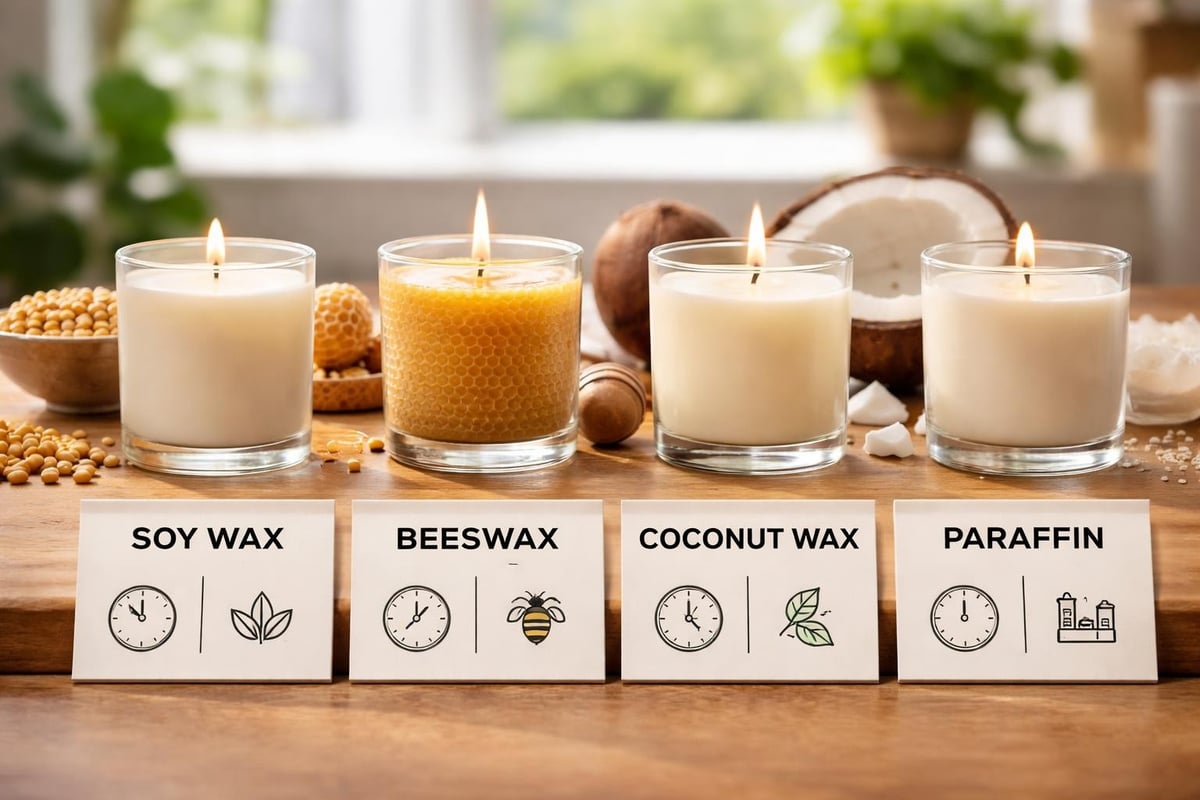
Soy wax has emerged as the preferred option for eco-conscious crafters. Derived from soybeans, it burns cleaner than traditional paraffin, produces less soot, and holds fragrance beautifully. The renewable nature of soy makes it an excellent choice for sustainable candle production.
Other popular wax options include:
- Beeswax: Natural and honey-scented, ideal for those seeking minimal additives
- Coconut wax: Excellent cold throw and smooth appearance
- Paraffin: Traditional choice with strong hot throw but petroleum-based
- Wax blends: Combines benefits of multiple waxes for optimized performance
When learning about candle making candles, testing different waxes helps you discover which formulation achieves your desired results. Consider burn characteristics, fragrance compatibility, and how the wax behaves in your specific containers.
Melting Points and Temperature Control
Temperature precision separates amateur candles from professional-quality products. Each wax type has an optimal melting range and specific temperatures for adding fragrance oils.
Soy wax typically melts between 120-180°F, with most varieties performing best when fragrances are added around 185°F. Monitoring these temperatures carefully prevents fragrance evaporation and ensures proper wax-oil binding. Following safety-first DIY practices protects both you and your final product.
Essential Equipment and Materials
Success in candle making candles requires the right tools and setup. While you don't need expensive equipment to start, certain items ensure consistent results.
| Essential Items | Purpose | Pro Tips |
|---|---|---|
| Double boiler or melting pot | Controlled wax melting | Never melt wax over direct heat |
| Thermometer | Temperature monitoring | Digital versions offer better accuracy |
| Pouring pitcher | Clean, precise pouring | Stainless steel retains heat well |
| Wick centering tools | Proper wick placement | Prevents uneven burning |
| Scale | Accurate measurements | Essential for fragrance ratios |
Creating a dedicated workspace makes the process smoother. Choose a well-ventilated area with easy cleanup surfaces, and always have fire safety equipment nearby. The comprehensive safety guidelines from industry experts provide crucial precautions.
Fragrance and Scent Selection
The soul of any candle lies in its fragrance. Whether you're crafting woodsy scents reminiscent of national parks or fresh urban aromas, fragrance selection requires careful consideration.
Natural fragrance oils derived from botanical sources offer authentic scents that connect people with nature. Essential oils provide therapeutic benefits but can be more volatile at high temperatures. Synthetic fragrances deliver consistency and wider scent variety.
Most candle making candles projects use a fragrance load of 6-10% by weight. Higher percentages don't always mean stronger scent and can actually impair burning quality. Testing different concentrations helps you find the sweet spot for your chosen wax.
The Candle Making Process Step-by-Step
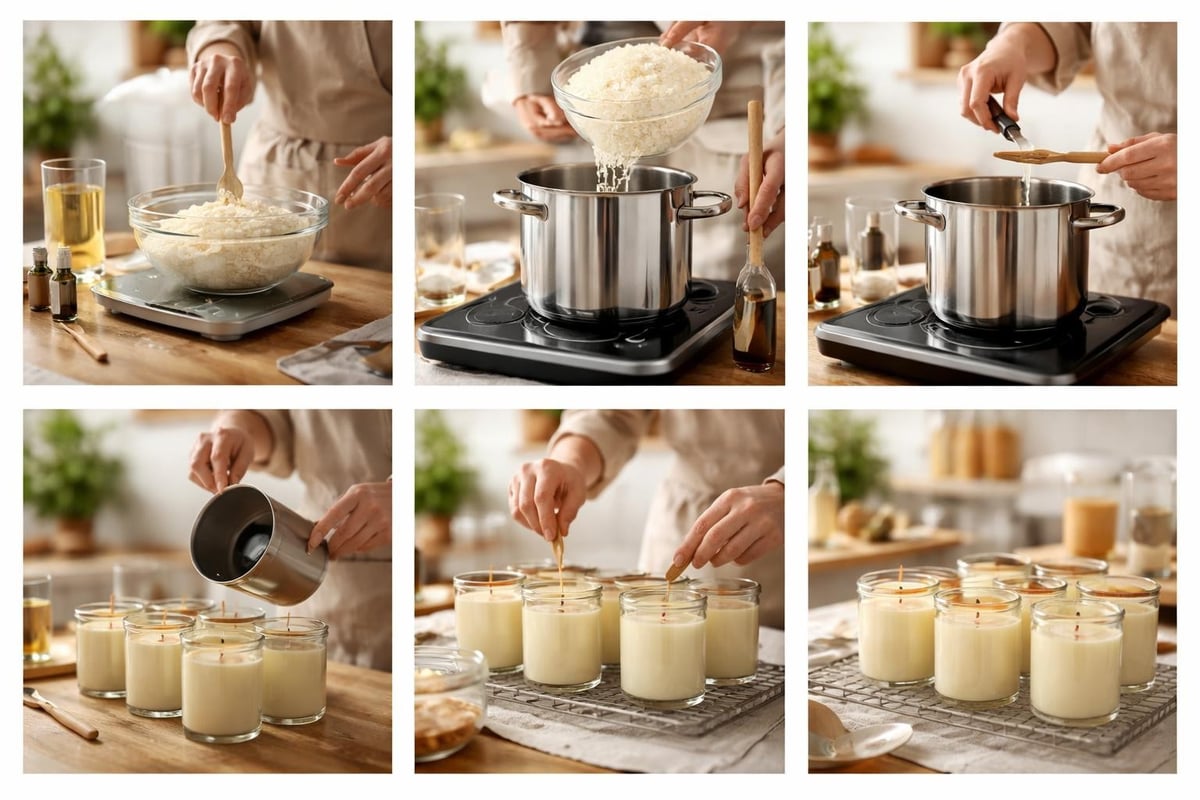
Transforming raw materials into finished candles follows a methodical sequence that yields beautiful results when executed properly.
Preparation phase sets you up for success:
- Calculate your wax quantity based on container volume
- Measure fragrance oil using proper ratios
- Prepare containers and pre-tab wicks
- Set up your workspace with all materials within reach
The pouring sequence requires attention and timing. Melt your wax slowly to the appropriate temperature, add fragrance at the recommended heat point, and stir gently to incorporate without creating excess air bubbles. Pour steadily into prepared containers, maintaining consistent speed to avoid creating layers or sinkholes.
Wick Selection and Sizing
Choosing the correct wick size determines whether your candle burns evenly or tunnels down the center. This aspect of candle making candles often requires the most testing.
Wick sizing depends on:
- Container diameter
- Wax type and density
- Fragrance load
- Desired burn pool depth
Cotton wicks work beautifully with soy wax, while wood wicks create an appealing crackling effect. Start with manufacturer recommendations based on your container size, then adjust based on test burns. Following proper candle care practices helps customers get the best performance from finished products.
Testing and Quality Assurance
Professional candle makers know that testing separates good candles from exceptional ones. Each batch requires evaluation before you can confidently share or sell your creations.
Conduct thorough burn tests by lighting your candle for 3-4 hours, monitoring the melt pool formation, flame height, and any smoking or sooting. A proper melt pool should reach the container edges within the first burn, preventing tunneling in future uses.
Key quality indicators include:
- Complete melt pool within 2-4 hours
- Flame height of 1/2 to 1 inch
- Minimal to no smoke production
- Even wax consumption
- Consistent scent throw throughout burn time
The investment in testing pays dividends in customer satisfaction and product reliability. Detailed candle-making safety protocols emphasize quality control as both a safety measure and craftsmanship standard.
Troubleshooting Common Issues
Even experienced makers encounter challenges. Wet spots, frosting, sinkholes, and poor scent throw can frustrate beginners, but most issues have straightforward solutions.
Wet spots (gaps between wax and container) often result from temperature fluctuations during cooling. Preheat containers slightly and pour at optimal temperatures. Frosting in soy candles, while purely cosmetic, can be minimized through slower cooling or adding small amounts of other waxes.
Poor scent throw typically indicates insufficient fragrance load, incompatible fragrance-wax pairing, or curing issues. Allow candles to cure for at least one week before evaluating scent performance.
Sustainable and Eco-Friendly Practices
Modern candle making candles increasingly focuses on environmental responsibility. Consumers appreciate products that minimize ecological impact while delivering exceptional experiences.
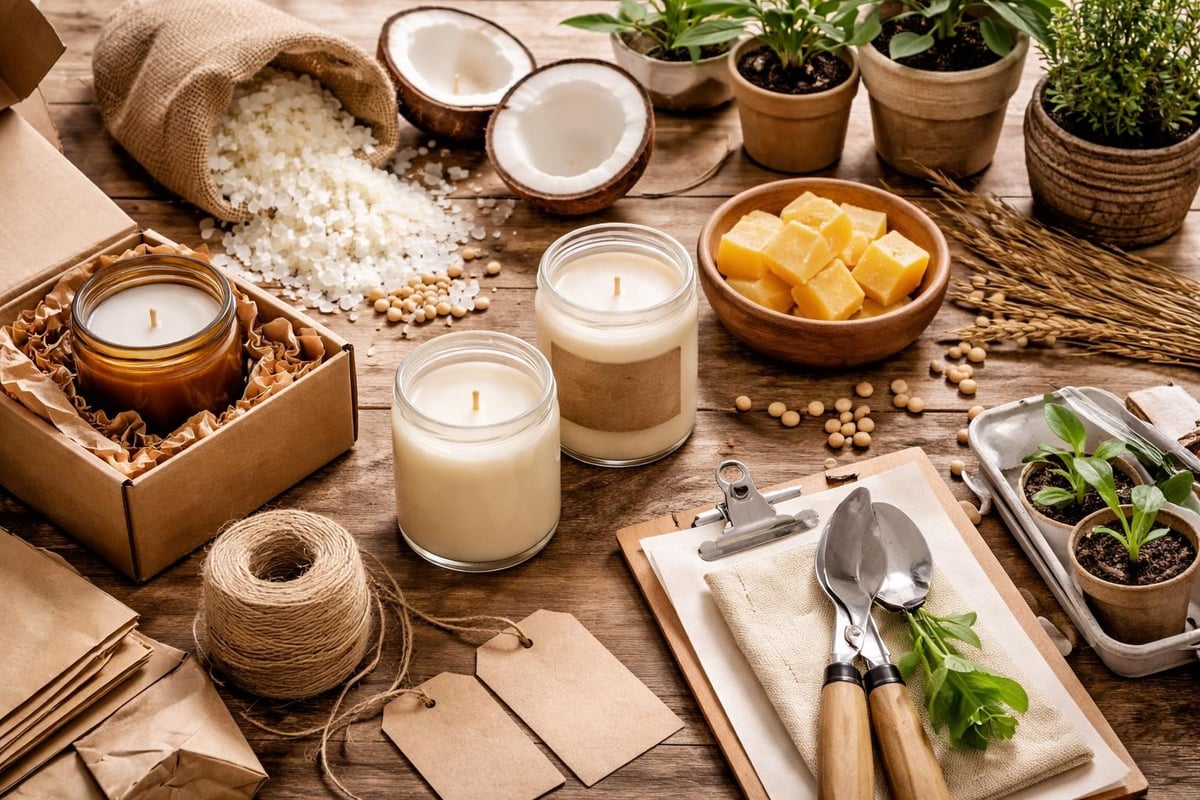
Choose renewable wax sources like soy, coconut, or beeswax instead of petroleum-based paraffin. Source nature-inspired fragrances that use sustainable extraction methods. Use recyclable or reusable containers that customers can repurpose after the candle burns completely.
Packaging decisions matter too. Minimize plastic use, choose recycled materials, and consider how your products ship to reduce carbon footprint. Some makers partner with environmental organizations to offset their impact or contribute to conservation efforts.
Building Your Candle Making Skills
Mastery in candle making candles develops through practice, experimentation, and continuous learning. Start with simple container candles before progressing to complex techniques like layering, embedding, or sculptural designs.
Join online communities where makers share techniques, troubleshoot problems, and inspire creativity. Following comprehensive candle-making guides expands your knowledge base and introduces new methods.
Document your experiments meticulously. Record wax types, fragrance percentages, wick sizes, pouring temperatures, and burn test results. This data becomes invaluable as you refine recipes and develop your signature style.
Mastering candle making candles combines technical precision with creative expression, allowing you to craft products that bring warmth, ambiance, and natural beauty into any space. Whether you're pursuing this as a hobby or business venture, the principles of quality materials, careful testing, and sustainable practices create candles that truly shine. The Roosevelts Candle Co. demonstrates these values through handcrafted soy candles that capture America's wild places while supporting environmental conservation with every purchase. Explore their nature-inspired collections to experience the difference that thoughtful craftsmanship makes.