


Scent Smells: The Science Behind Fragrances
The world of scent smells is far more complex than most people realize. Every fragrance that reaches your nose triggers a cascade of neurological responses, influencing everything from your mood to your purchasing decisions. Whether you're lighting a nature-inspired candle or walking through a pine forest, the scent smells you encounter shape your perception of spaces, memories, and even other people. Understanding how these aromatic experiences work can transform the way you think about fragrance in your home and life.
The Psychology Behind Scent Smells
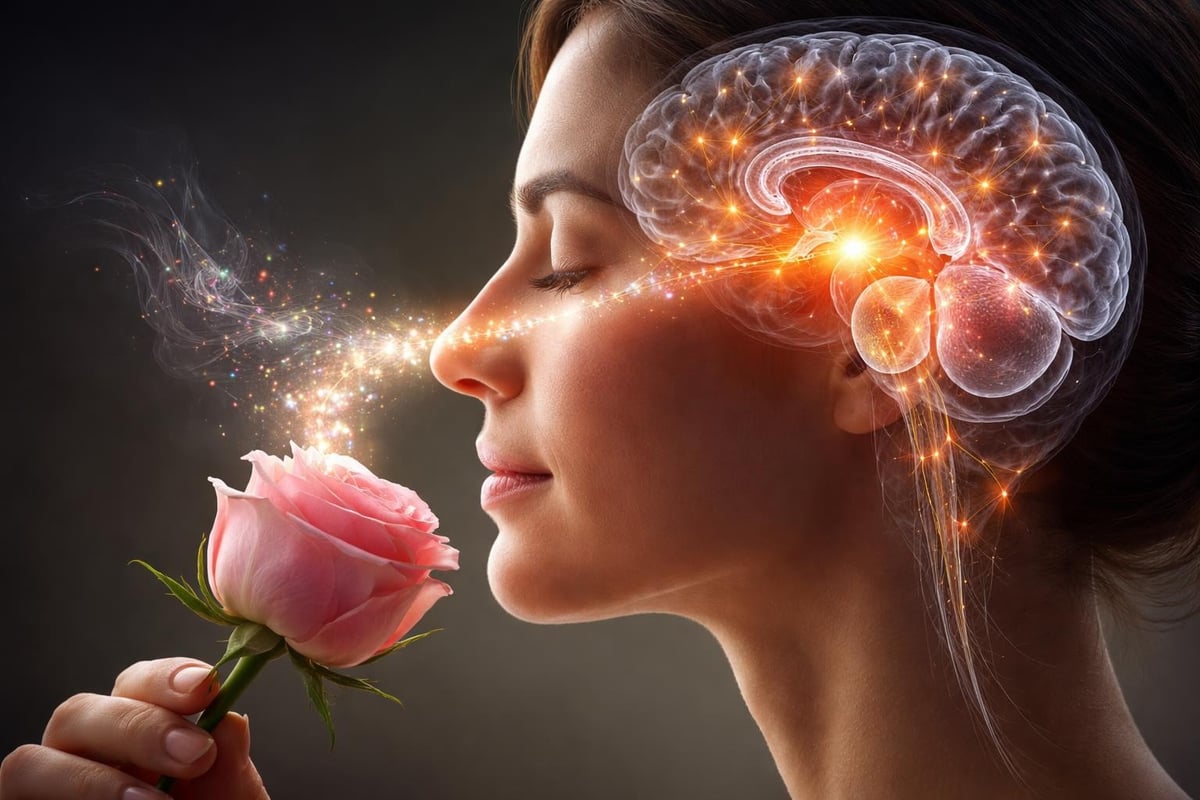
Our brains process scent smells differently than any other sensory information. Unlike sight or sound, which pass through the thalamus before reaching higher brain functions, olfactory signals travel directly to the limbic system. This ancient part of our brain controls emotions and memory formation.
Research shows that ambient scent significantly impacts brand evaluation and memory, with pleasant scents enhancing recall, particularly for unfamiliar brands. This explains why the scent smells in a space can instantly transport you to a specific moment in your past or create an emotional connection with a place you've never visited before.
Memory and Emotional Connections
The relationship between scent smells and memory is remarkably powerful. When you smell pine resin, your brain might instantly recall childhood camping trips or holiday celebrations. This phenomenon happens because:
- Olfactory bulbs have direct connections to the hippocampus (memory center)
- Scent memories form during emotionally significant moments
- Fragrance associations develop unconsciously throughout life
- Smell-triggered memories are often more vivid than those triggered by other senses
Studies reveal that even ancient Egyptian mummies emit pleasant odors from embalming materials like pine and juniper resins, demonstrating humanity's long-standing relationship with preserving meaningful scents.
How Scent Smells Influence Behavior
The impact of scent smells extends beyond memory into active behavioral changes. Research demonstrates that exposure to certain fragrances can influence cognition and behavior nonconsciously, with citrus scents enhancing mental accessibility of cleaning-related concepts.
| Scent Type | Behavioral Impact | Common Applications |
|---|---|---|
| Citrus | Energizing, cleansing mindset | Morning routines, workspaces |
| Lavender | Calming, sleep-promoting | Bedrooms, meditation spaces |
| Pine/Cedar | Focus, outdoor connection | Home offices, reading areas |
| Vanilla | Comfort, warmth | Living rooms, gathering spaces |
When you select candles for your home, you're not just choosing a pleasant fragrance. You're actively designing the psychological atmosphere of your space.
The Science of Scent Classification
Researchers are making remarkable advances in understanding how we perceive and categorize scent smells. Machine learning now helps predict fragrance characteristics, with algorithms estimating odor intensity by analyzing molecular features of perfumery components.
Breaking Down Scent Families
Professional perfumers and candle makers organize scent smells into distinct families:
- Woody: Cedar, sandalwood, pine
- Fresh: Citrus, green, aquatic
- Floral: Rose, jasmine, lavender
- Spicy: Cinnamon, clove, cardamom
- Earthy: Moss, vetiver, patchouli
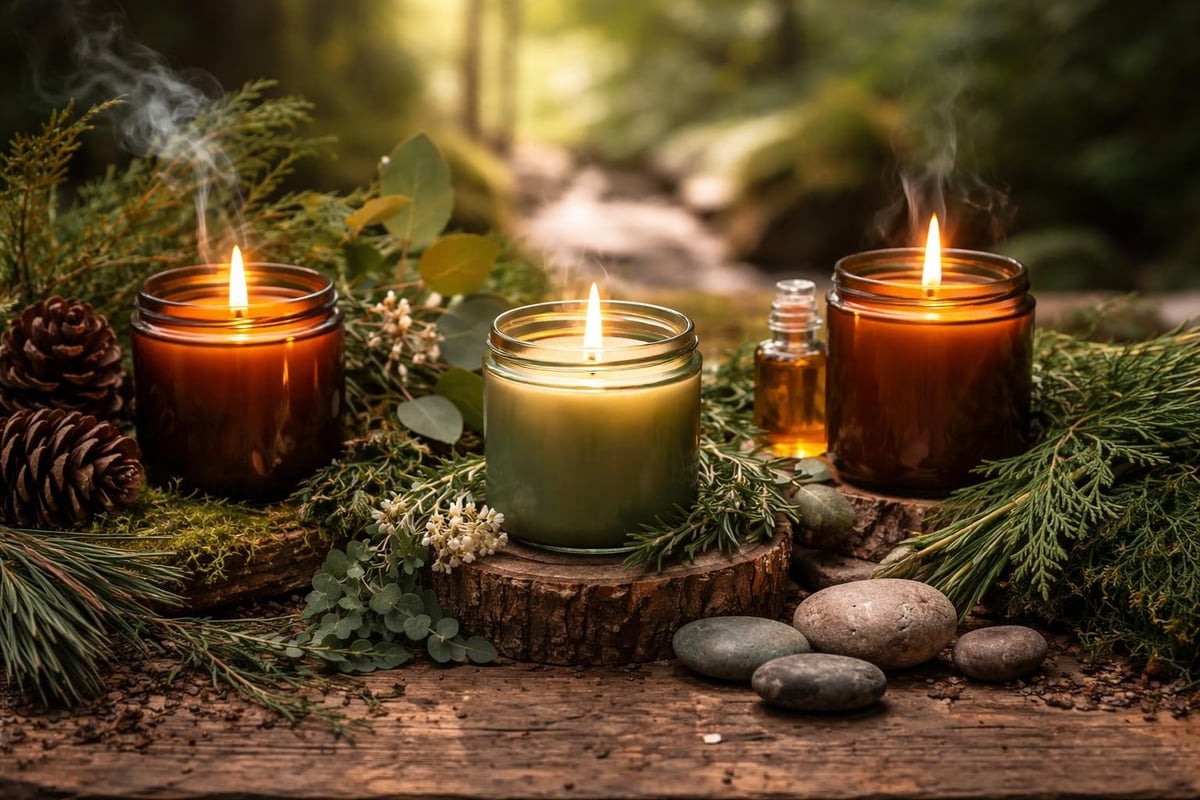
Collections like nature-inspired fragrances often combine multiple families to recreate the complexity of natural environments. A forest-themed candle might blend woody cedar with fresh green notes and earthy moss undertones.
Social Perception and Scent Smells
The scent smells in your environment dramatically affect how others perceive you and your space. Research on olfactory stimuli and person perception reveals that fragrances influence judgments about attractiveness, age, health, and personality traits.
Think about walking into someone's home for the first time. The scent smells you encounter immediately inform your impression of that person and their lifestyle. A space filled with coastal fragrances suggests relaxation and escape, while warm, spicy scents might convey comfort and hospitality.
Creating Signature Scent Experiences
Advanced research even explores personalized fragrance recommendations based on personality archetypes, recognizing that scent preferences are deeply individual. Your ideal home fragrance should reflect your personality and the atmosphere you want to create.
Consider these personality-scent pairings:
- Adventurous spirits: Pine, cedarwood, mountain air
- Coastal lovers: Sea salt, driftwood, ocean breeze
- Comfort seekers: Vanilla, amber, warm spices
- Nature enthusiasts: Forest floor, wildflowers, fresh rain
Exploring aromatic oil collections allows you to experiment with different scent profiles throughout your home.
The Future of Scent Technology
Innovation in understanding scent smells continues to accelerate. Scientists are developing large-scale datasets of real-world smells to help artificial intelligence recognize and classify odors, potentially revolutionizing allergen detection and health monitoring.
Researchers have even created datasets like 'New York Smells', comprising thousands of smell-image pairs from diverse environments, advancing machine perception of fragrances.

Meanwhile, historians work to reconstruct and study past scents, emphasizing olfaction's role in understanding historical societies. This research highlights how scent smells have always shaped human experience across cultures and centuries.
Sustainable Scent Experiences
Modern consumers increasingly care about where their scent smells come from and their environmental impact. Sustainable candle production focuses on:
- Clean-burning soy wax instead of petroleum-based paraffin
- Natural, non-toxic fragrance oils
- Renewable resource materials
- Environmental conservation partnerships
Best-selling sustainable candles prove that ecological responsibility and exceptional fragrance quality aren't mutually exclusive. Each candle can deliver beautiful scent smells while supporting forest conservation and environmental stewardship.
Whether you're drawn to fresh coastal fragrances or warm, comforting scents, understanding the science behind scent smells enhances your appreciation for these aromatic experiences. The fragrances you choose become more than pleasant smells-they're tools for shaping mood, preserving memories, and creating meaningful atmospheres in the spaces you inhabit.
The scent smells you surround yourself with have the power to transform your daily experience, influencing everything from productivity to relaxation and emotional well-being. At The Roosevelts Candle Co., we craft nature-inspired soy candles that capture the essence of America's wild places, allowing you to bring the transformative power of natural fragrances into your home. Each handcrafted candle not only fills your space with beautiful scent but also supports environmental conservation through our partnership with One Tree Planted, planting a tree for every candle sold.