


Essential Guide to Wicking Candles for 2026
Have you ever spent hours crafting a candle only to watch it tunnel, smoke, or burn unevenly? These common frustrations often come down to one thing: wicking candles the right way.
As the art of candle making surges in popularity for 2026, choosing the right wick is more critical than ever. The wick you select shapes how your candle burns, how well it fills a room with fragrance, and even how safe and sustainable your creation turns out.
Whether you're a beginner hoping for your first perfect candle, or a seasoned maker aiming for pro-level results, this essential guide will walk you through every aspect of wicking candles. From understanding wick anatomy and types to troubleshooting burn issues and exploring future trends, you’ll learn practical steps to optimize every candle you pour.
Ready to transform your candle game? Let’s dive in.
Understanding Candle Wicks: The Fundamentals
A candle wick is the heart of every candle, fueling the magic of wicking candles by drawing melted wax upward to sustain the flame. Without a well-chosen wick, even the most beautiful candle can burn poorly or unsafely.
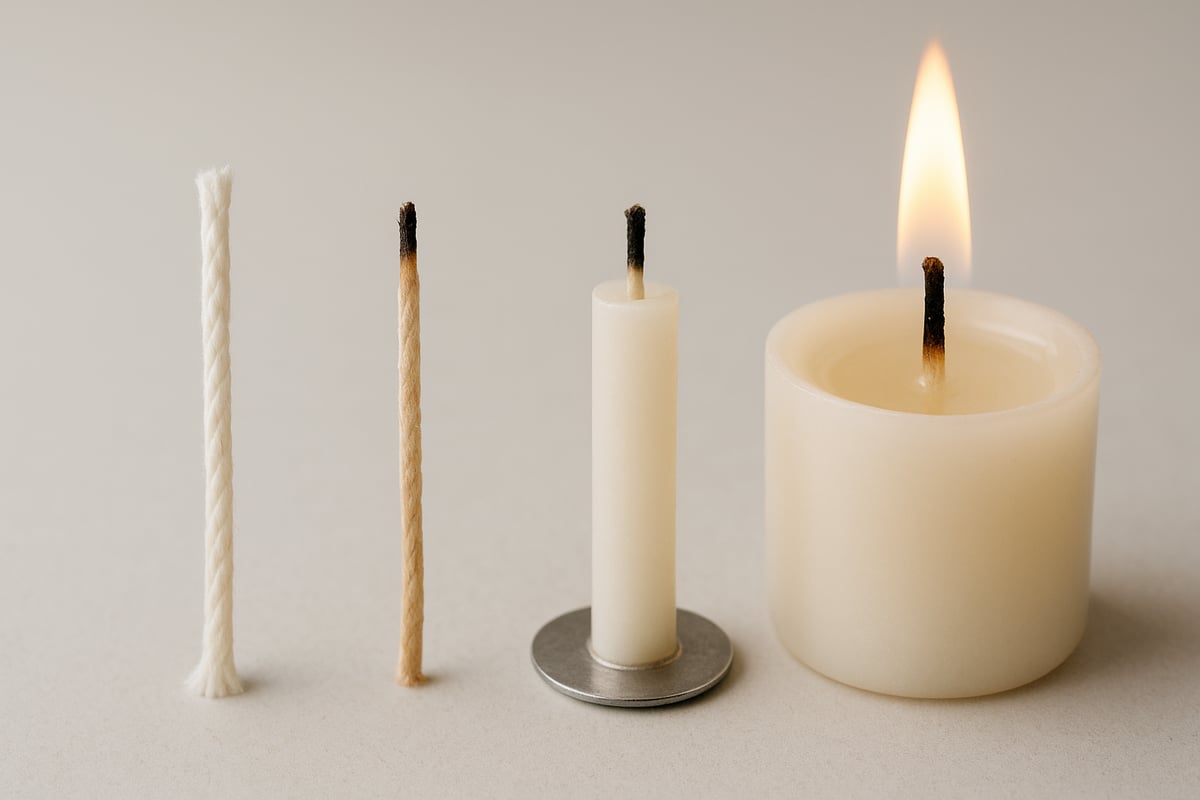
The anatomy of a wick includes several key parts: the core, which may be cotton or paper; the braiding, which controls how wax is delivered; priming, which coats the wick for easier lighting; and the metal tab, anchoring the wick at the candle’s base. Each component shapes how wicking candles perform from the first spark to the last glow.
A proper wick influences everything from flame height to melt pool size and how well fragrance disperses into a room. When wicking candles are set up correctly, a steady 1-inch flame and a full, even melt pool are clear signs of success, as noted by CandleScience.
Choosing the right wick means matching it to your wax type, fragrance load, and container diameter. For example, soy wax might need a different wick than paraffin, and a wide jar requires a thicker wick to reach the edges. If the melt pool is too shallow or the flame flickers, it’s time to reconsider your wick choice.
Safety is vital in wicking candles. Wick tabs should be tall enough to self-extinguish the flame before all the wax is gone, preventing overheating. To learn more about safe wicking practices and get the most out of your candles, check out these Candle Care and Maintenance Tips.
Types of Wicks and Their Applications
Choosing the right wick is a game changer for wicking candles. With so many options, understanding the differences helps you achieve a perfect, even burn. Each wick type brings unique qualities that directly affect how your candle performs, from flame size to scent throw.
Cotton, Paper, and Core Wicks
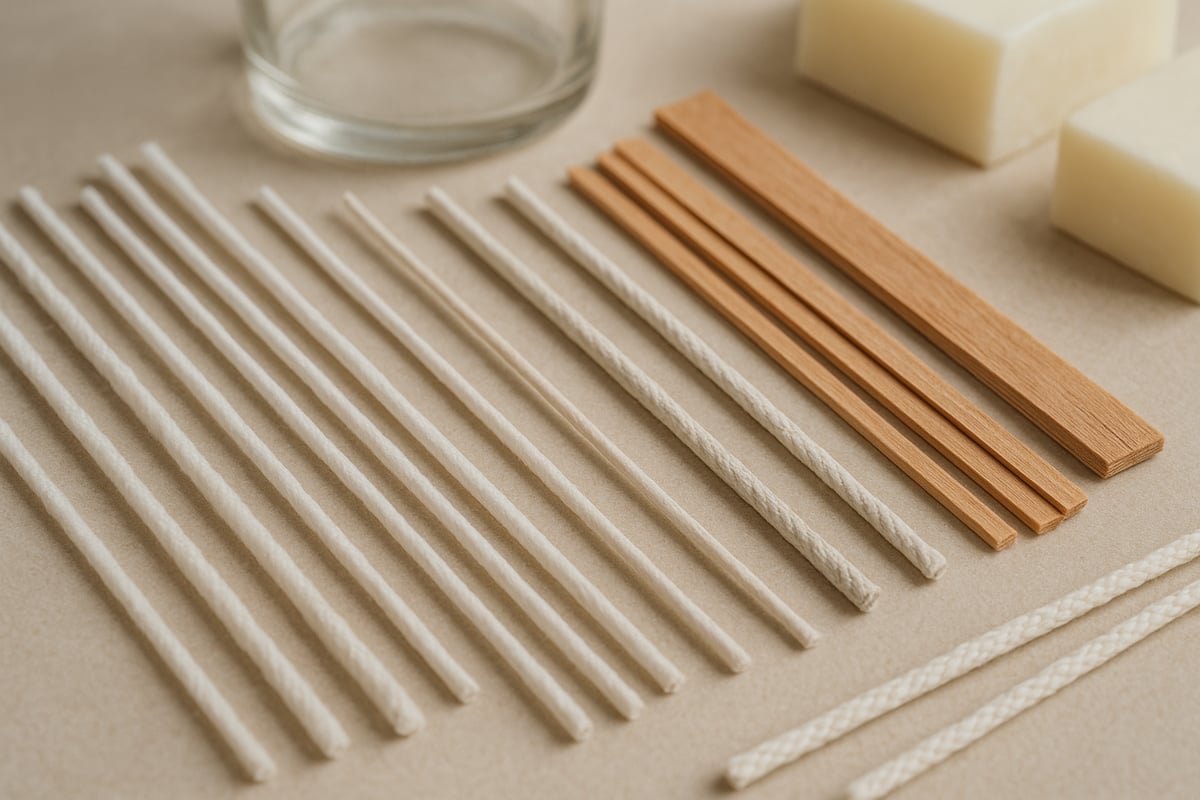
Cotton wicks are the go-to for many when wicking candles. Available as flat, square, or braided, they give a consistent burn and work well with soy and paraffin blends. Paper-cored wicks add rigidity, making them great for containers and votives. Zinc-cored wicks are extra sturdy, perfect for pillars or gel candles needing a straight, centered wick. For an in-depth comparison of wick types and their uses, check out this Candle Wick Selection guide.
Specialty Wicks: Wooden, Eco, and CD Series
Wooden wicks offer a crackling sound and modern look, making them popular for wicking candles with a cozy vibe. ECO series wicks are coreless with a paper filament, designed for clean burning in natural waxes like soy. CD series wicks feature a flat braid, handling high fragrance loads and working well in larger containers. Each specialty wick is tailored for a specific wax and experience, so knowing your candle’s goal is key.
Wick Sizing and Numbering Systems
Understanding sizing codes is crucial for effective wicking candles. Codes like CD-4 or 44 24 18 indicate the wick’s thickness, braid, and core type. The right size depends on your container’s diameter and wax type. For example, a CD-8 fits a 2.5 inch jar, while a 44 32 18 suits taller pillars. Always refer to manufacturer sizing charts for the best results and a safe, even burn.
How to Choose the Right Wick in 2026: Step-by-Step Guide
Selecting the right wick is the secret sauce for wicking candles that burn evenly, smell amazing, and are safe to use. If you want your creations to stand out in 2026, following a clear, proven process is essential. Let’s break down each step so you can master wicking candles with confidence.
Step 1: Identify Your Wax Type and Container Size
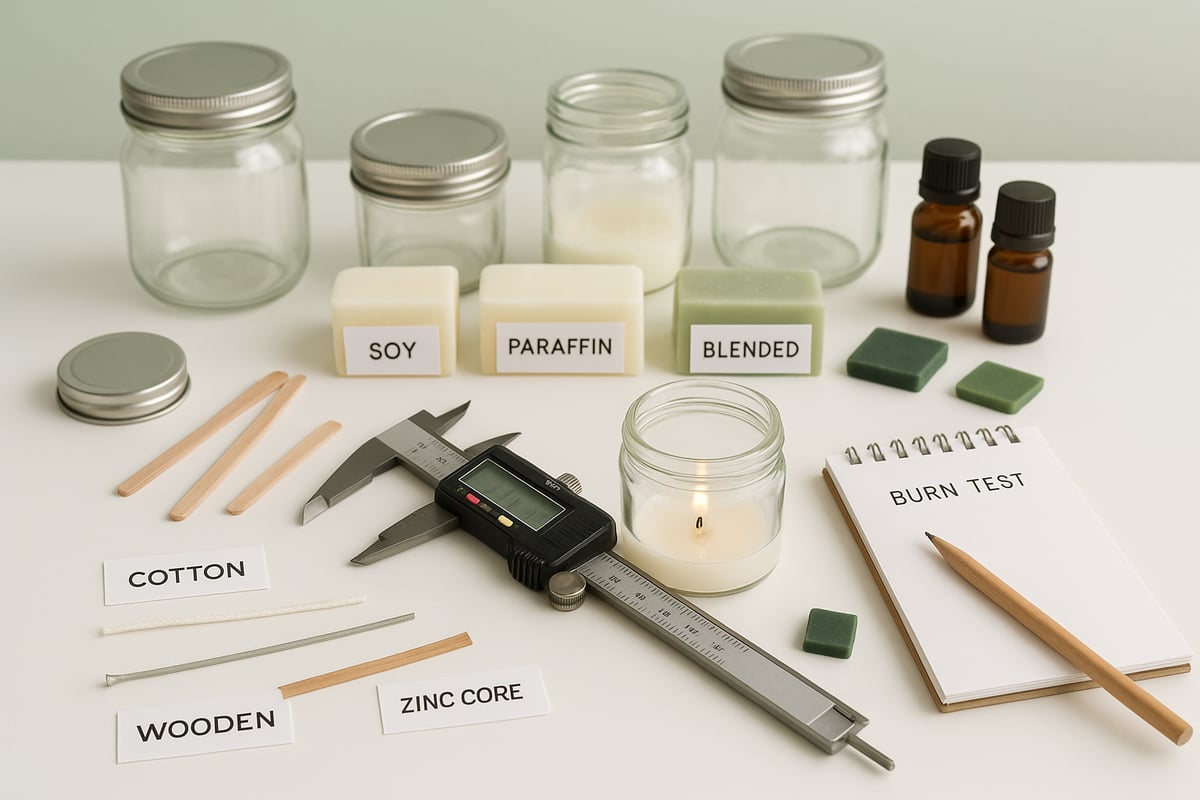
The foundation of wicking candles starts with knowing your wax type—soy, paraffin, or a blend—and the exact diameter of your container. These two factors are non-negotiable because they influence how the wick draws wax and creates a melt pool. For example, a 3-inch soy candle needs a different wick than a 2-inch paraffin candle.
Pro tip: Use a measuring tape or caliper for accuracy. For more detailed sizing charts, check out Choosing the Right Wick Size.
Step 2: Consider Fragrance Load and Dye
Fragrance and dye are game-changers in wicking candles. If your formula calls for more than 1 ounce of fragrance per pound of wax, or you’re using heavy dye, you may need to size up your wick. Why? Fragrance oils and dyes can clog the wick, making it harder for the candle to burn cleanly.
Always note your recipe and adjust your wick accordingly. Remember, a heavily scented, colorful candle often requires a larger wick than a plain one.
Step 3: Select Wick Series and Size
Now it’s time to pick your wick series—CD, ECO, LX, zinc core, or wooden—based on your candle’s needs. For natural waxes and high fragrance loads, ECO or CD series wicks are popular. If you want a crackling sound, try wooden wicks. Start with the manufacturer’s recommended size for your wax and container, then adjust as needed after testing.
Keep a chart or log to track your choices. This way, you’ll always know which wick works best for each project.
Step 4: Safety and Burn Test Protocols
Never skip testing. Burn test every new combination of wick, wax, and container. Watch for a steady 1-inch flame, an even melt pool (about 1/4 to 3/4 inch deep), minimal soot, and full wax consumption. Trim the wick to 1/4 inch before each test and note any issues like tunneling or mushrooming.
Prioritize safety: use a 10mm wick tab for stability and ensure your candle self-extinguishes at the end of its burn. Careful testing guarantees your wicking candles are both beautiful and safe.
Testing and Troubleshooting Candle Wicks
Perfecting wicking candles means constant testing and tweaking. Even experienced makers encounter surprises. That’s why a systematic approach to testing and troubleshooting is essential for every candle project.
Conducting Effective Burn Tests
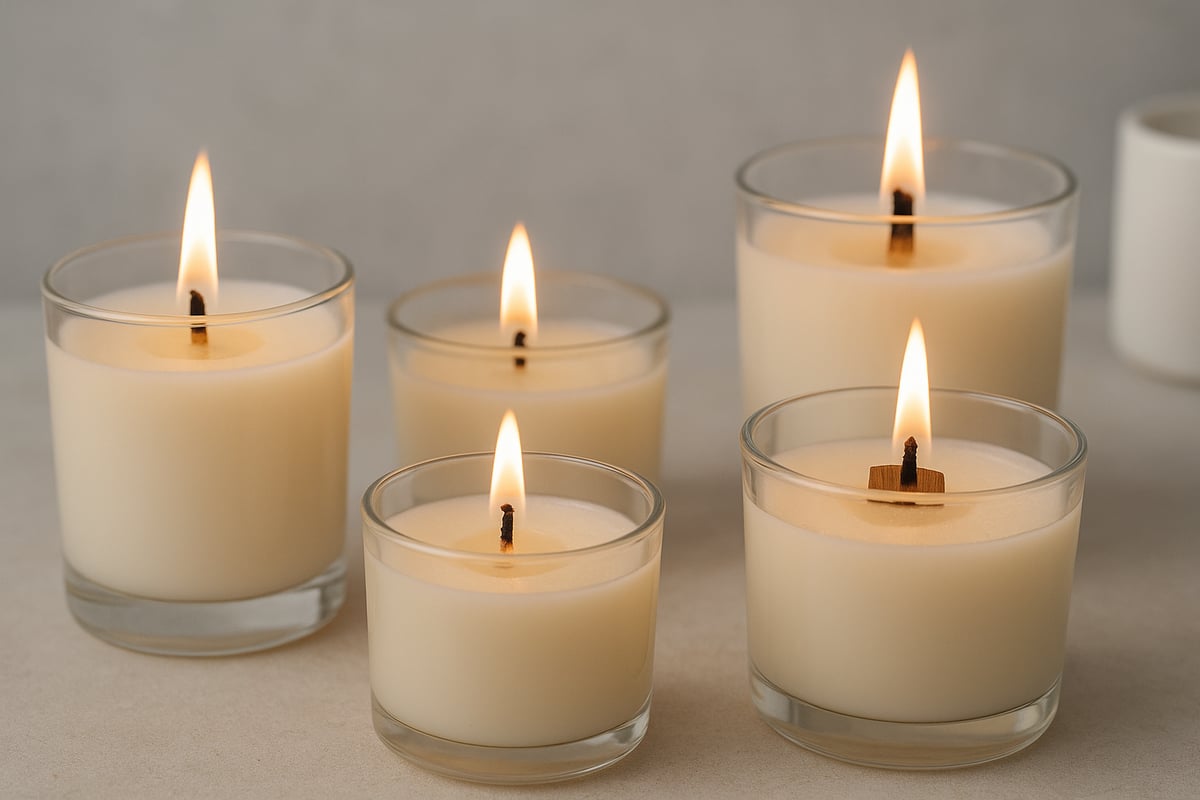
Every batch of wicking candles should undergo a proper burn test. Begin by placing finished candles in a draft-free room at room temperature. Trim the wick to 1/4 inch before lighting. Burn the candle for one hour per inch of container diameter, monitoring flame height, melt pool, and soot.
Keep a log of your observations for each test. Look for a steady 1-inch flame, even melt pool reaching the container's edge, and minimal flicker. If you want a detailed walkthrough, the Wick Testing 101 guide offers step-by-step instructions for reliable results.
Common Wicking Problems and Solutions
When wicking candles, several issues may arise. Tunneling occurs when the melt pool is too small, leaving wax on the sides. Mushrooming, where the wick forms a carbon cap, signals the wick may be too large or the fragrance load is high. Soot or excessive flicker can indicate improper wick sizing.
To fix tunneling, increase your wick size or try a different wick series. For mushrooming, wick down or reduce fragrance. If soot appears, review your wax and dye levels. Adjusting these variables can turn problematic wicking candles into beautifully burning ones.
Safety Standards and Best Practices
Always follow industry safety guidelines when wicking candles. Choose wick tabs at least 10mm tall to help prevent the flame from reaching the bottom, as recommended by leading suppliers. Opt for self-extinguishing wicks for added peace of mind.
Never leave a burning candle unattended. Prioritize testing for safety, and review product use and safety advice from reputable candle manufacturers. These habits ensure your wicking candles are safe and enjoyable for everyone.
Innovations and Trends in Candle Wicking for 2026
The world of wicking candles is entering a new era, driven by eco-conscious consumers and rapid material innovation. As we look toward 2026, candle makers are reimagining every aspect of their craft to meet changing demands and deliver better, safer, and more sustainable products.
Sustainable and Eco-Friendly Wick Materials
Sustainability is front and center for wicking candles in 2026. Makers are turning to all-natural, biodegradable, and vegan wick options, including cotton, wood, and paper blends. Vegetable-wax primed wicks are gaining attention, allowing brands to market their candles as fully plant-based. If you want to learn more about vegan and eco-friendly candle innovations, check out Vegan Soy Wax Candles Insights for an in-depth look at these trends.
Advances in Wick Technology and Performance
Technological leaps in wicking candles are making a visible impact. New wick treatments minimize soot and smoke, while self-trimming designs reduce maintenance and improve safety. Enhanced rigidity and burn stability mean wicks now perform better with modern soy, coconut, and blended waxes. These innovations help both hobbyists and professionals achieve cleaner, longer-lasting burns.
Consumer Preferences and Market Data
The latest market data shows a steep rise in soy and coconut wax candles, sparking fresh approaches to wicking candles. Consumers want clean-burning, low-smoke experiences, often paired with sensory touches like wooden wicks' gentle crackle. Industry surveys reveal that 68 percent of buyers now factor wick sustainability and performance into their purchasing decisions. Staying ahead of these trends is essential for anyone looking to excel in the evolving world of wicking candles.
Pro Tips for Perfect Candle Wicking
Nailing wicking candles is all about smart habits and attention to detail. Want your candles to burn evenly, smell amazing, and wow your customers? Start with these tried and true tips from seasoned makers.
Pro Tips for Wicking Candles:
- Keep a detailed burn test log for every new wax or container you use. Note melt pool depth, flame size, and any issues.
- Use sampler kits to test different wick series and sizes before committing to bulk purchases.
- Always refer to the latest manufacturer guides for wick selection and safety updates. If you're unsure, check out this Candle Wick Guide for a quick reference.
- Prioritize safety. Choose wick tabs that self-extinguish and follow best practices—find more on this in our Product Use and Safety Advice.
- Adjust your wick choice if you add more fragrance or dye than usual.
Highlighting your commitment to quality wicking candles in product descriptions can set your brand apart. Customers appreciate transparency about safe materials and testing, and they'll notice the difference in burn quality and scent throw.
Never skip the burn test. Even experienced makers can benefit from comparing notes in forums or workshops—there's always something new in the world of wicking candles. Consistent learning ensures your candles stay on trend, compliant, and loved by everyone who lights them.
Now that you know how much the right wick can elevate your candle game—from nailing that rich fragrance throw to keeping your space soot free—why not bring a touch of the wild into your home too At The Roosevelts Candle Co every soy candle is crafted with care right here in Nashville and inspired by America s wild places Plus for every candle you light they plant a tree Ready to start your candle journey with purpose and style Take a peek at their unique collections and save 15 on your first order Save 15% on Your First Order