


Wick and Candle Guide: Expert Tips for Perfect Candles 2026
Ever wondered why some candles burn clean and bright, while others tunnel, smoke, or fizzle out? If you have, you are not alone. The secret to a flawless candle lies in understanding the science behind the wick and candle combination.
This expert guide will reveal the essential steps to crafting the perfect candle in 2026, starting with the most overlooked detail: the wick. Mastering the art of wick selection and care is essential for crafting candles that burn beautifully, safely, and efficiently.
You will discover the different types of wicks, how to choose the right one for your candle, preparation techniques, step-by-step candle-making tips, troubleshooting advice, and advanced strategies for next-level results. If you are ready to transform your candle-making skills, keep reading and unlock the secrets to perfect candles every time.
Understanding Candle Wicks: Types and Materials
When it comes to crafting the perfect wick and candle pairing, the wick is the unsung hero. It draws melted wax upward through capillary action, feeding the flame and determining how your candle burns. But not all wicks are created equal—let’s break down the main types and why they matter.
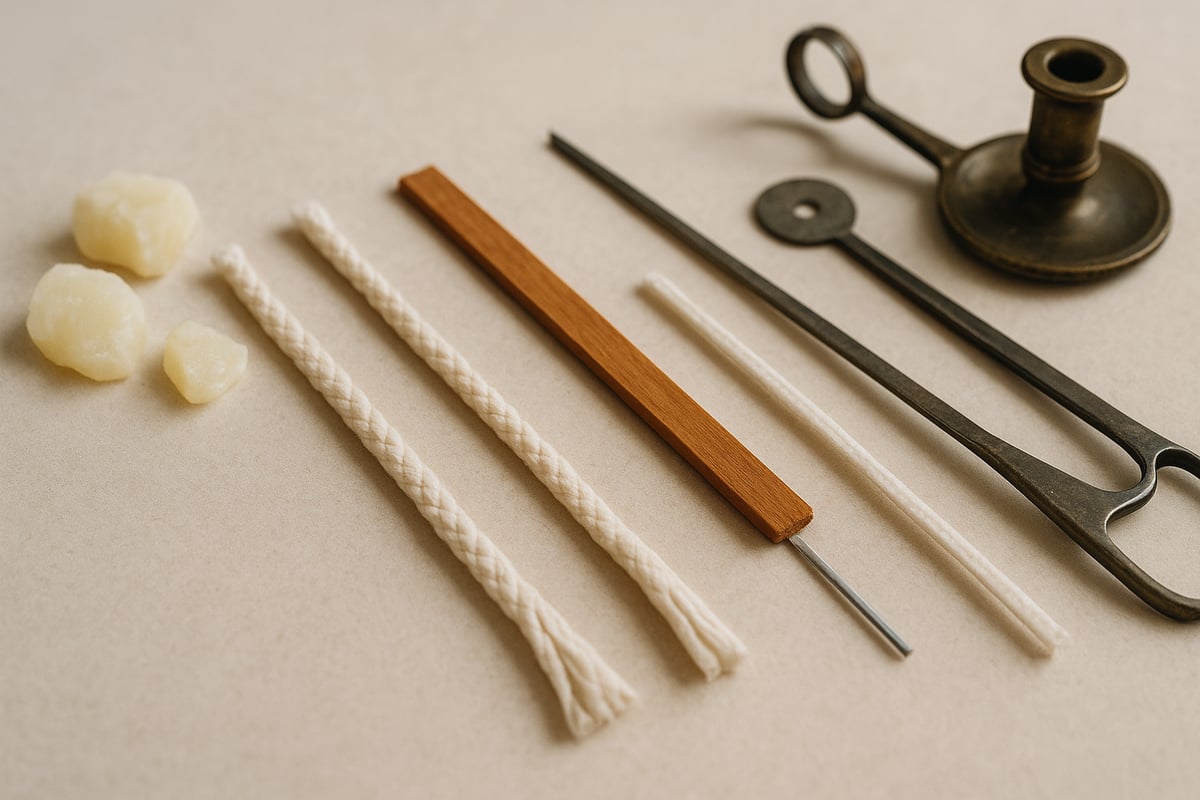
Comparing Wick Materials
Here’s a quick look at the most common wick materials and their standout features:
| Wick Material | Key Features | Use Case |
|---|---|---|
| Braided Cotton | Self-trimming, clean burn | Most container candles |
| Wood | Crackling sound, unique ambiance | Luxury, decorative |
| Zinc-core | Stays upright, strong flame | Pillars, votives |
| Paper-cored | Rigid, consistent burning | Tealights, tapers |
Large diameter wicks create bigger flames and lead to faster wax consumption, which is crucial for balancing burn time and scent throw. Flat cotton braid wicks, for example, are ideal for self-trimming, reducing maintenance.
Specialty and Coreless Wicks
Beyond the basics, specialty wicks like flexible and pre-waxed options are gaining popularity. Wooden wicks add a cozy crackle, while eco-friendly choices use natural or recycled fibers. Coreless wicks burn cleaner, while cored wicks (with paper or zinc) provide rigidity for taller candles.
Let’s not forget history—ancient Egyptians used plant or animal waxes, while Chinese artisans crafted rice paper wicks. Safety is key: lead wicks have been banned in the US since 2003, so always look for natural or non-toxic stiffeners.
For a deeper dive into wick materials, historical evolution, and safety regulations, check out the comprehensive Candle Wick - Wikipedia resource.
Choosing the right wick and candle combination sets the stage for a safe, efficient, and beautiful burn. Whether you love the ambiance of a wooden wick or the reliability of braided cotton, understanding these materials is your first step toward candle mastery.
Choosing the Right Wick for Your Candle
Choosing the perfect wick and candle pairing is like matching the right shoes to an outfit—it can make or break your creation. Each candle form, from tall tapers to cozy jars, demands a different approach.
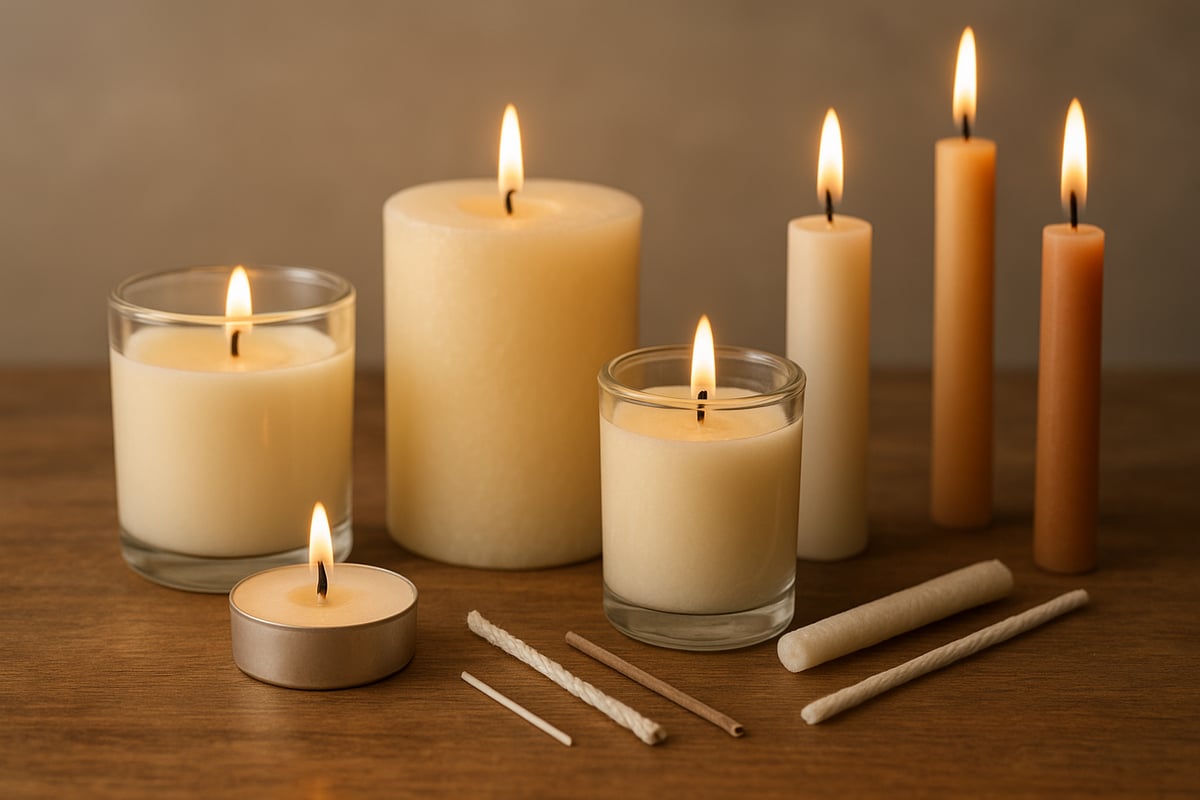
Wick Size and Candle Type
The size and type of wick you select have a major impact on how your candle burns. Jar candles usually require thicker wicks to create a wide, even melt pool. Pillars and tapers often need stiffer, self-trimming wicks for upright burning. Tealights use special tethered wicks so they stay centered and don’t float, ensuring a clean, complete burn.
| Candle Type | Recommended Wick Style | Key Consideration |
|---|---|---|
| Jar | Thick, braided cotton | Container diameter |
| Pillar | Flat or square braid | Height and wax density |
| Tealight | Tethered, pre-tabbed | Prevent floating |
| Taper | Stiff, coreless | Upright burning |
| Votive | Medium, self-trimming | Scent throw in small space |
Wax, Fragrance, and Dye Factors
Not all waxes behave the same. Soy wax often needs a thicker wick than paraffin due to its lower melting point. Beeswax, being dense, might require a larger wick to avoid tunneling. When you add fragrance oils or dyes, they can clog the wick or slow down capillary action.
To get the best wick and candle performance, always test how your chosen wick handles your wax blend and scent load. Too much fragrance or dye can lead to mushrooming or a drowning wick.
Why Wick Choice Matters
Selecting the wrong wick can spell trouble. A wick that's too small leads to tunneling, leaving wasted wax along the sides. Too large, and you risk excessive soot or a wild, flickering flame. The right wick ensures your candle burns evenly, lasts longer, and fills the room with fragrance.
For extra guidance, consult a Candle Wick Selection Guide to match wick size to your specific wax and vessel.
Remember, the secret to a flawless wick and candle is testing. Try different sizes, keep notes, and don’t be afraid to experiment until your candle burns just right.
Preparing and Treating Wicks for Best Results
Ever wondered what sets a flawless wick and candle apart from one that fizzles or smokes? The secret is all in the preparation. Preparing your wick and candle with care ensures a steady, bright flame and keeps your creations safe for every cozy night in.
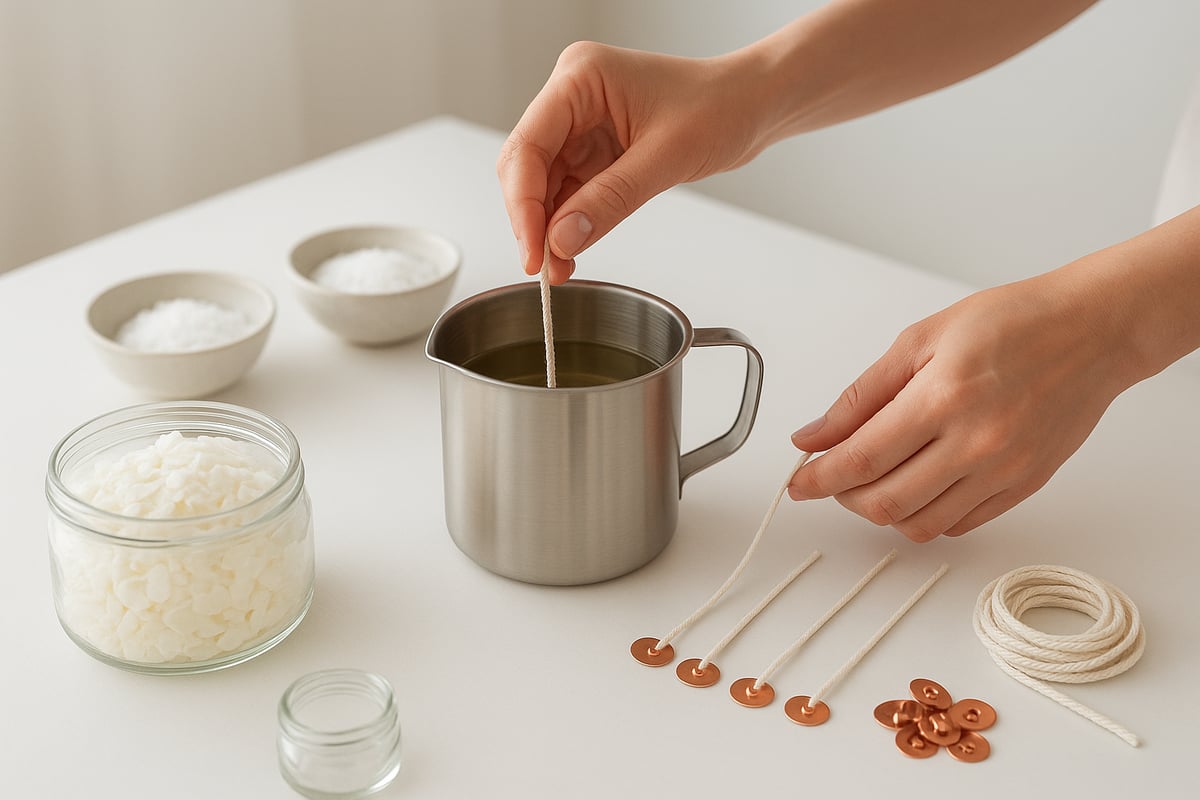
Let’s break down the most effective methods for treating wicks before they ever meet the wax. Mordanting, or soaking wicks in a mixture of borax and salt, boosts flame resistance and helps the wick stand tall through every burn. After soaking, let wicks dry thoroughly so they maintain their shape and strength.
Pre-waxing is the next secret weapon. Dipping wicks into melted wax adds rigidity, making placement in molds or jars a breeze. This step also helps the wick and candle light more easily and burn more consistently, reducing frustration for makers and users alike.
If you’re new to candle making, pre-tabbed wicks are a game changer. These come with a metal base attached, so you can simply secure them with a sticker and center them in your container. For extra upright support, wick stiffeners are often used. Materials like copper, paper, or synthetic fibers keep wicks straight, enhancing burn quality. Remember, lead stiffeners have been banned in the US since 2003 due to health risks.
Here’s a quick step-by-step for DIY wick prep:
- Soak your wick in a borax and salt solution.
- Dry completely.
- Dip in melted wax for even coating.
- Attach a metal tab if needed.
Taking these steps ensures your wick and candle work together for a long, even burn. For more in-depth tips on preparation and ongoing care, check out the Candle Care 101 guide.
Pre-treated wicks, especially for soy candles, are a proven way to improve burn quality and achieve that professional finish every maker dreams of.
Step-by-Step Guide: Making the Perfect Candle in 2026
Ready to turn your wick and candle dreams into reality? Follow this step-by-step guide for flawless results in 2026. Whether you are a beginner or a seasoned crafter, these expert techniques will help you create candles that glow brilliantly and burn evenly.
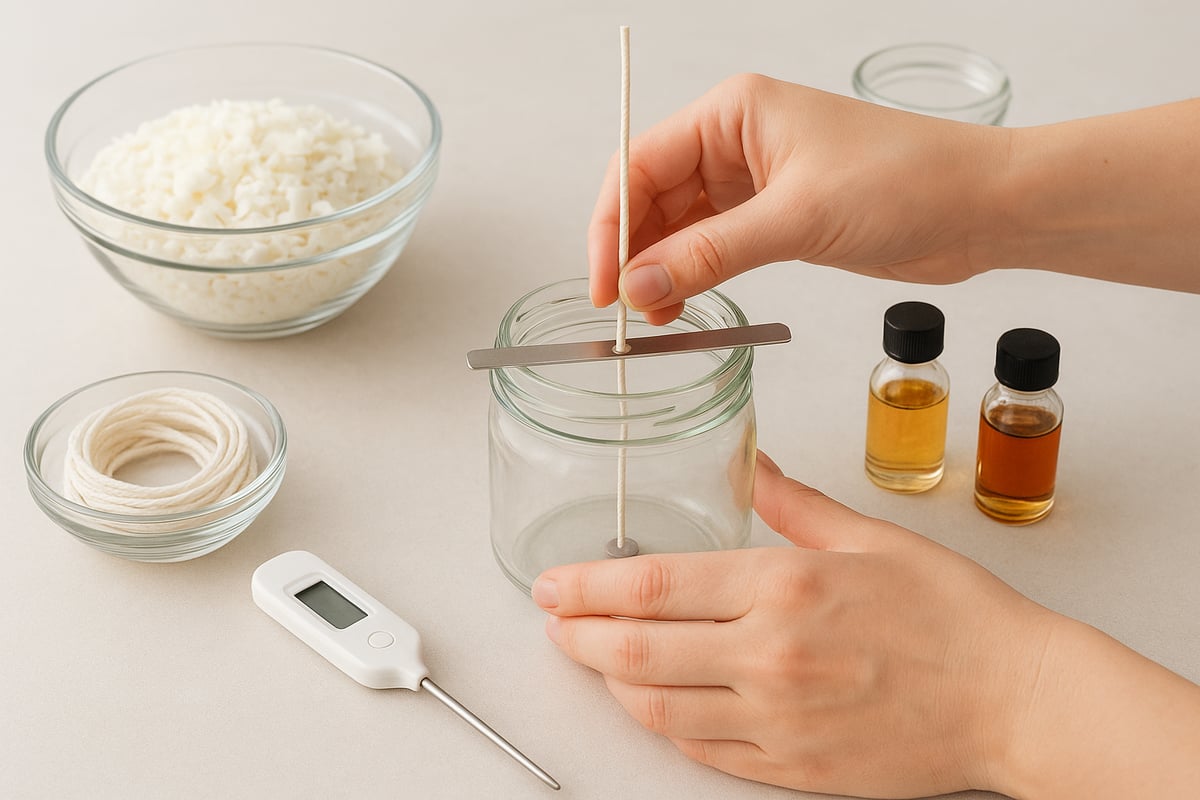
Step 1: Selecting Materials and Tools
Start by gathering the essentials: choose your preferred wax (soy, beeswax, or paraffin), the right wick and candle containers, fragrance oils, dyes, a thermometer, and centering devices. For eco-conscious makers, select sustainable, non-toxic supplies. Pre-waxed and eco-friendly wicks are trending for 2026. For more inspiration, check out this homemade soy wax candles article.
Step 2: Prepping the Wick and Container
Secure your wick with adhesive or a wick sticker at the container's base. Use a centering bar or holder to keep your wick upright and centered. For wide jars, double-wicking ensures even burning. Straightening the wick before pouring wax helps prevent leaning and ensures your wick and candle stay in perfect alignment.
Step 3: Melting and Pouring Wax
Heat your wax to the recommended temperature for your chosen type. Add fragrance oil and dye at the right moment to lock in scent and color. Pour the wax slowly to avoid air bubbles and ensure a smooth finish. The right technique will make your wick and candle perform at their best, with vibrant color and even scent throw.
Step 4: Setting, Trimming, and Testing the Candle
Let your candle cool undisturbed for the recommended curing time. Trim the wick to 1/4 inch before the first burn to prevent mushrooming. Always conduct a test burn to check flame size and the melt pool. This careful approach guarantees your wick and candle will burn safely, beautifully, and efficiently every time.
Troubleshooting Common Wick and Candle Issues
Ever had a wick and candle that just would not behave? Maybe it tunneled, smoked, flickered wildly, or left you with a messy, uneven burn. These issues are more common than you might think, and understanding them is the first step to creating a flawless candle experience.
Common Wick and Candle Problems
Here are the most frequent wick and candle problems:
- Tunneling: wax burns down the center, leaving unmelted sides.
- Excessive soot: black smoke stains jars and air.
- Flickering: unstable flame, often due to drafts or wrong wick size.
- Drowning: wick sinks or gets snuffed out by wax.
- Mushrooming: carbon build-up causes a bulbous wick tip.
- Uneven burn: wax pool is lopsided or incomplete.
Most of these stem from issues like using the wrong wick size or type, low-quality wax, too much fragrance or dye, or poor wick placement.
Solutions and Tips for Better Burning
To fix tunneling, try using a larger diameter wick or allow the candle to burn long enough for the wax pool to reach the edges. Excessive soot often means your wick is too large or needs trimming to 1/4 inch before lighting. If your wick and candle are flickering, check for drafts or switch to a thicker wick.
Drowning wicks may need a higher quality or pre-waxed option to stay upright. Mushrooming can be prevented by regular trimming and using self-trimming wicks, which data shows reduce maintenance needs. For a hands-on troubleshooting guide, check out the Product use and tips page for more detailed advice.
Always extinguish your wick and candle if the flame gets too high or starts to smoke, as safety should be your top priority. Keep a record of your test burns and experiment with wick sizes—this how to test and choose the right wick size guide is a great resource for ongoing improvement.
Advanced Tips for Candle Perfection in 2026
Want to take your wick and candle creations from great to truly extraordinary? In 2026, the candle world is bursting with innovation, giving you more ways than ever to perfect your craft. Let’s explore the latest trends, expert techniques, and sustainability moves that will set your candles apart.
Wooden wicks are trending for their gentle crackle and stylish look. They pair beautifully with soy or coconut wax, creating a cozy ambiance. Multi-wick designs are also gaining popularity, especially for large containers or statement pieces. By using more than one wick, you ensure an even melt pool and bold scent throw.
Eco-friendly materials are now a must. Makers choose cotton or wood wicks from sustainable sources, and opt for natural waxes and non-toxic dyes. Flexible wicks are perfect for candles in unique shapes, adapting to every curve and corner. Customizing wick treatments, like pre-waxing or using natural stiffeners, allows you to fine-tune burn performance for any blend or fragrance.
Staying on top of new regulations is crucial. Avoid banned substances and always check for the latest safety updates. Sustainability isn’t just a trend, but a responsibility—choose suppliers who share your green values.
Experimentation is the heart of progress. Test new wick and candle combinations, keep detailed notes, and never stop learning. For more expert guidance on advanced wick selection and testing, visit How to Choose the Right Wick. The future of candle making is bright, creative, and eco-conscious—so dive in and let your passion shine.
After diving into the art of wick selection and learning how the right candle-making choices can give you brighter, longer-lasting, and more sustainable candles, why not put your new skills to the test with something truly special? At The Roosevelts Candle Co., every candle is handcrafted to capture the spirit of America’s wild places—plus, your purchase helps plant a tree for our national parks! If you’re feeling inspired and ready to elevate your space with nature-inspired scents and eco-friendly vibes, you can treat yourself and save a little, too. Grab your favorite with Save 15% on Your First Order and let your perfect candle adventure begin!